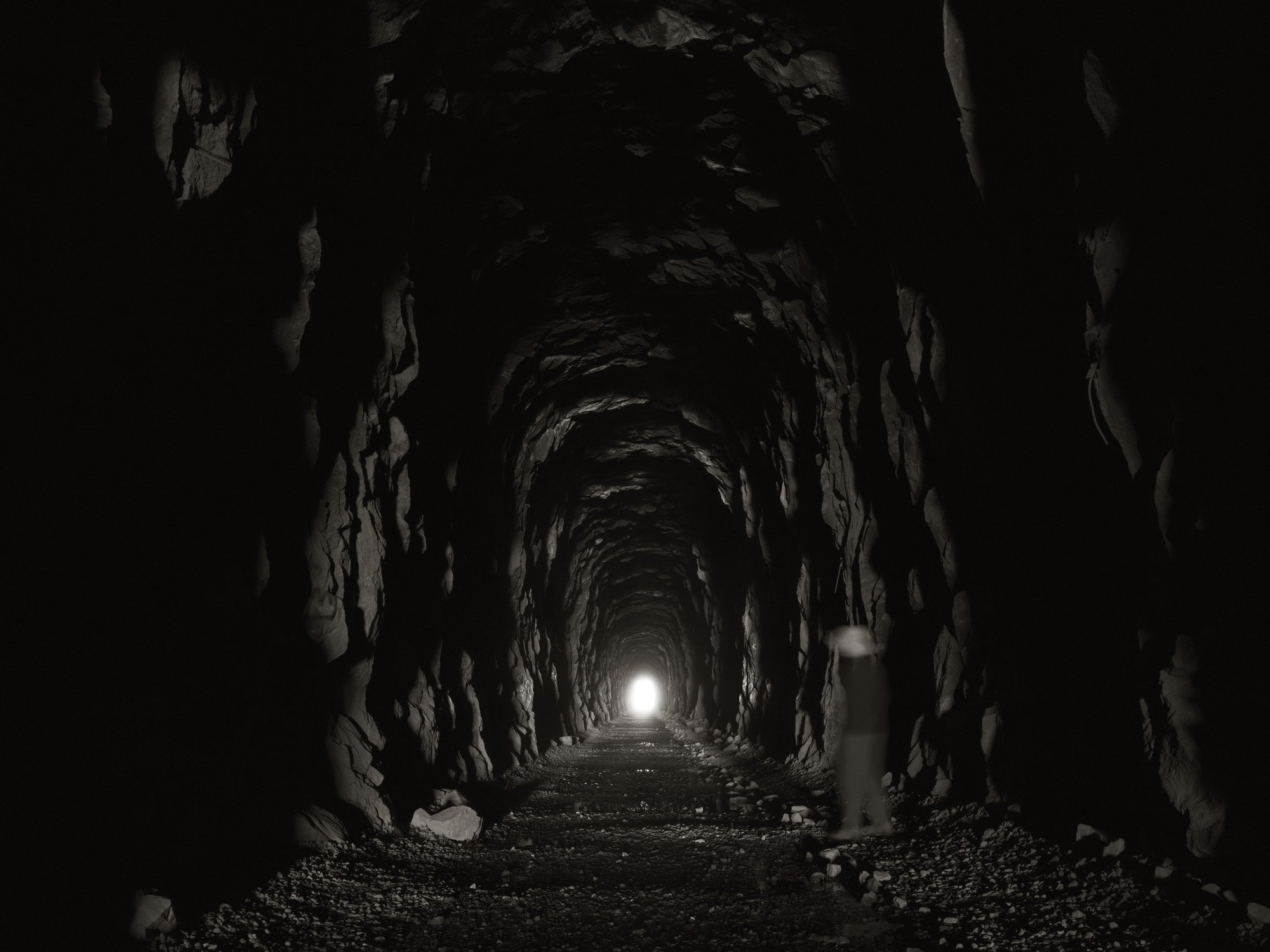
Donner Pass, California
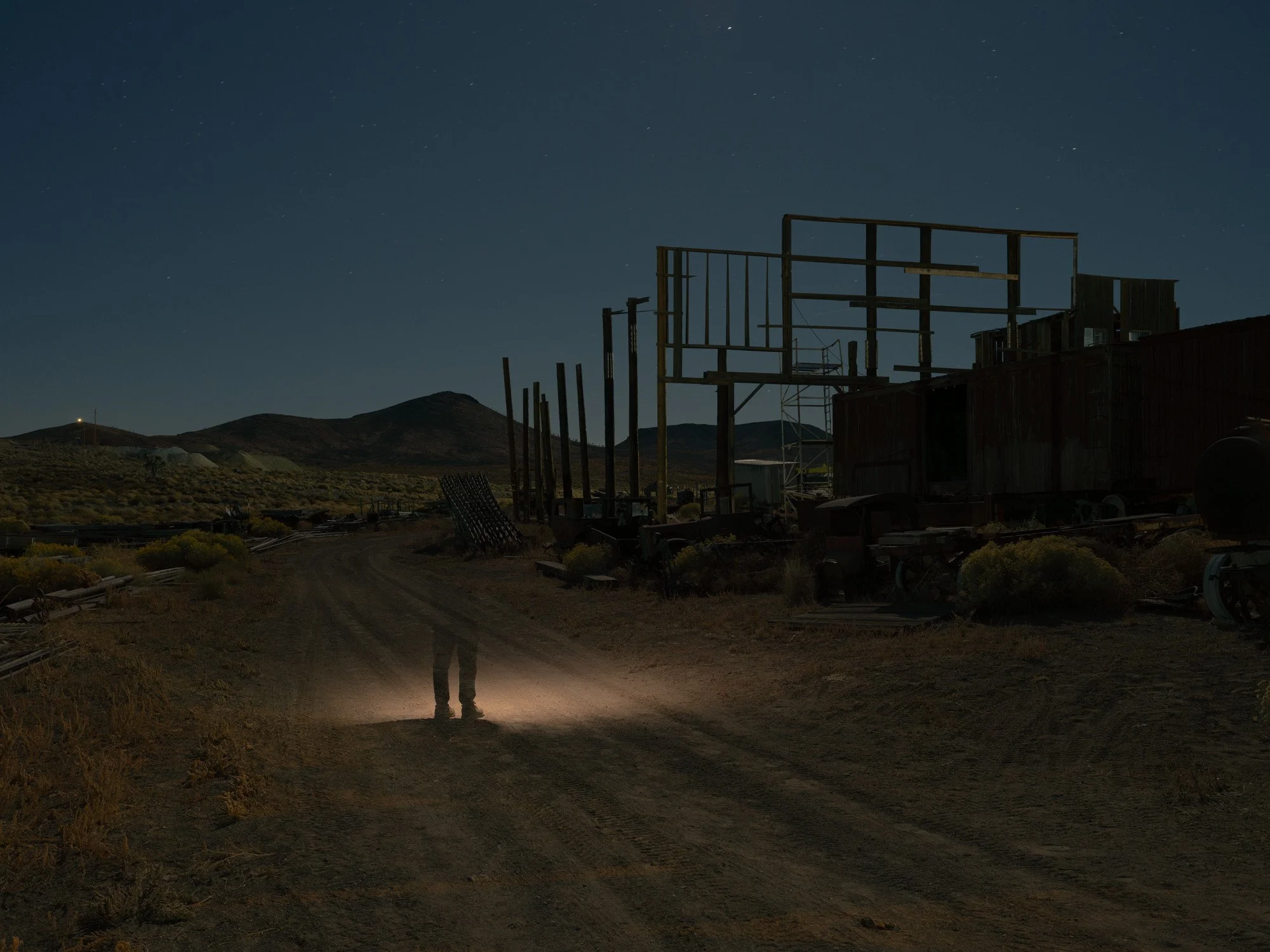
Goldfield, Nevada
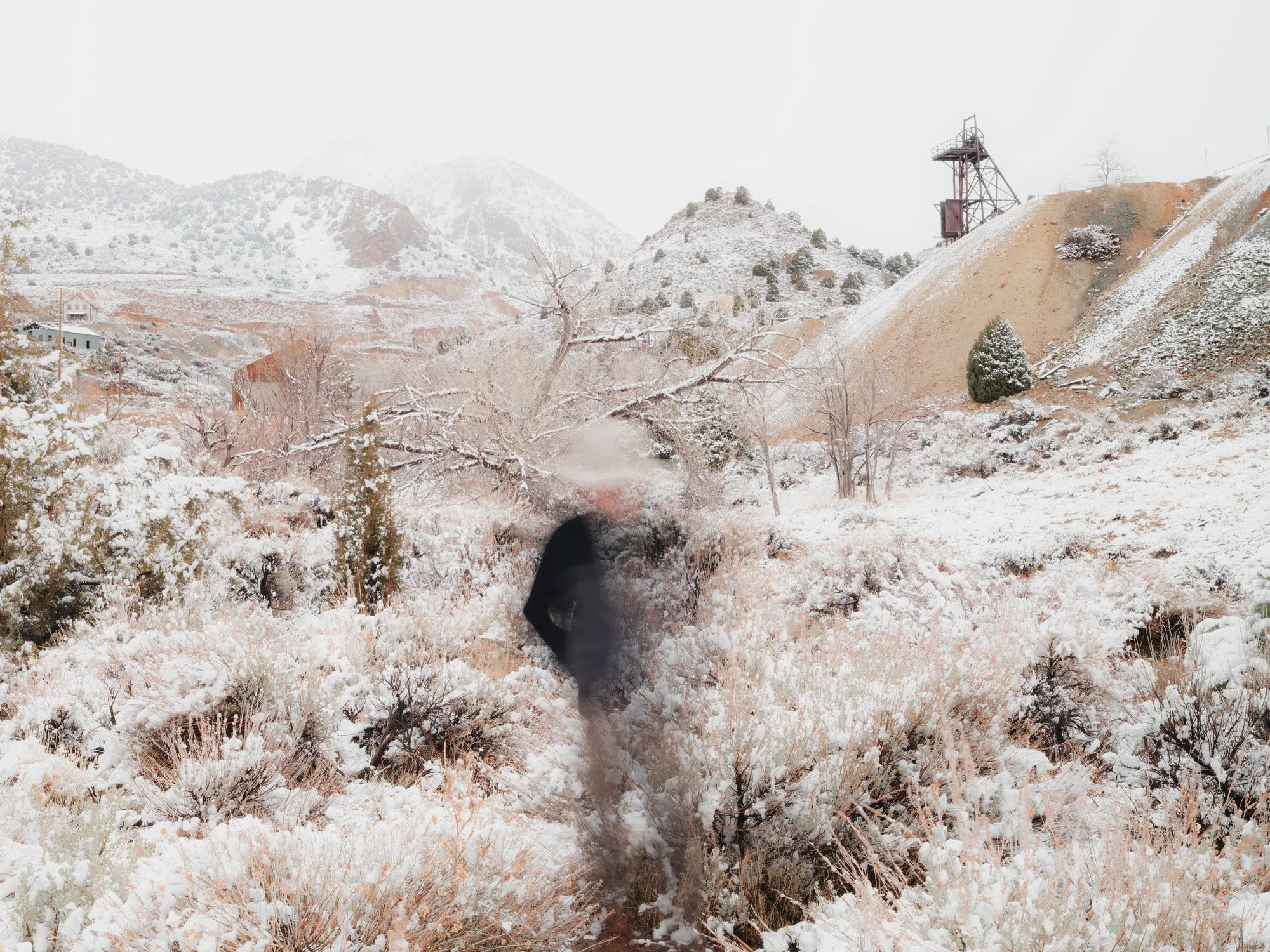
Silver City, Nevada
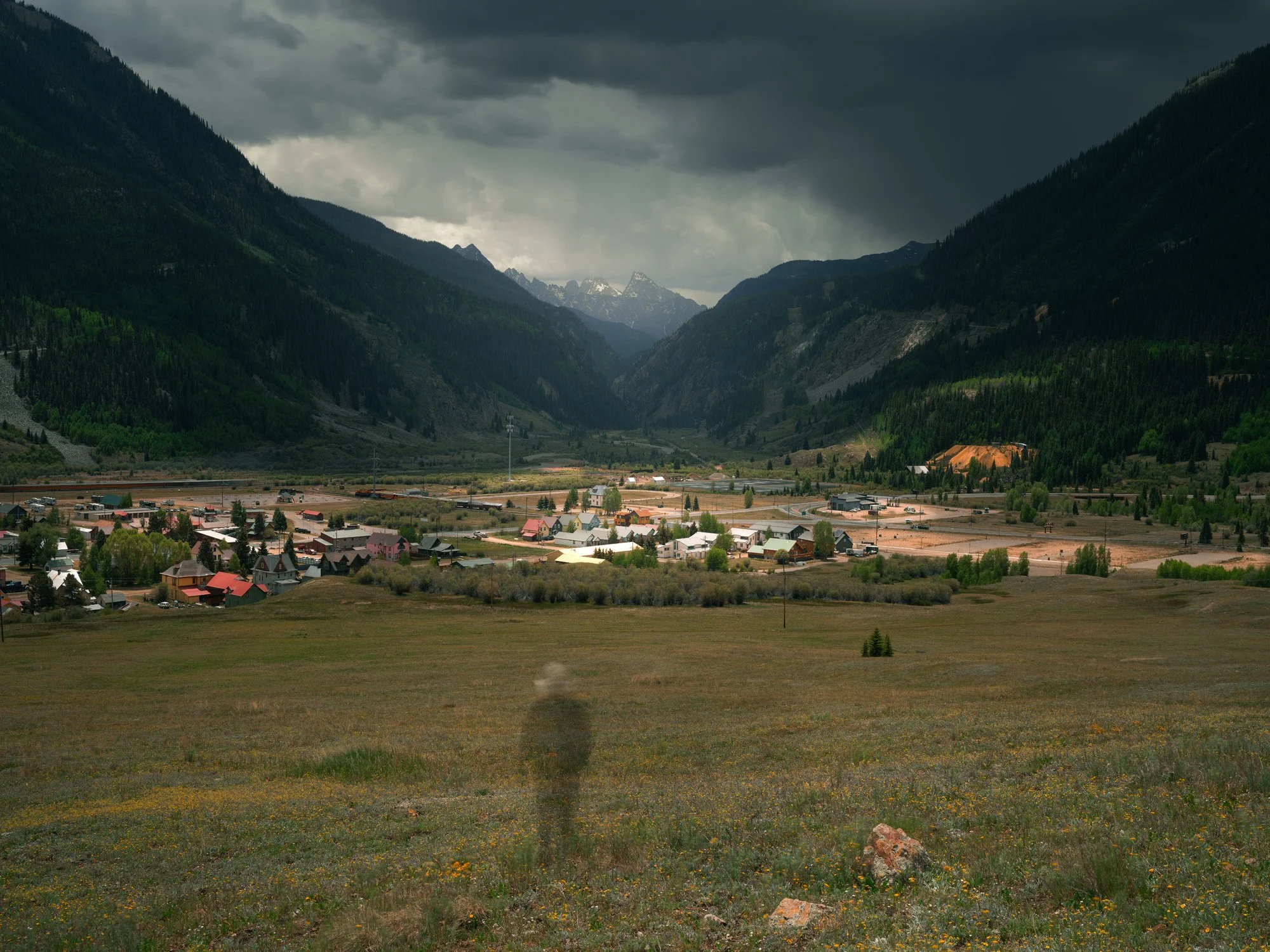
Silverton, Colorado
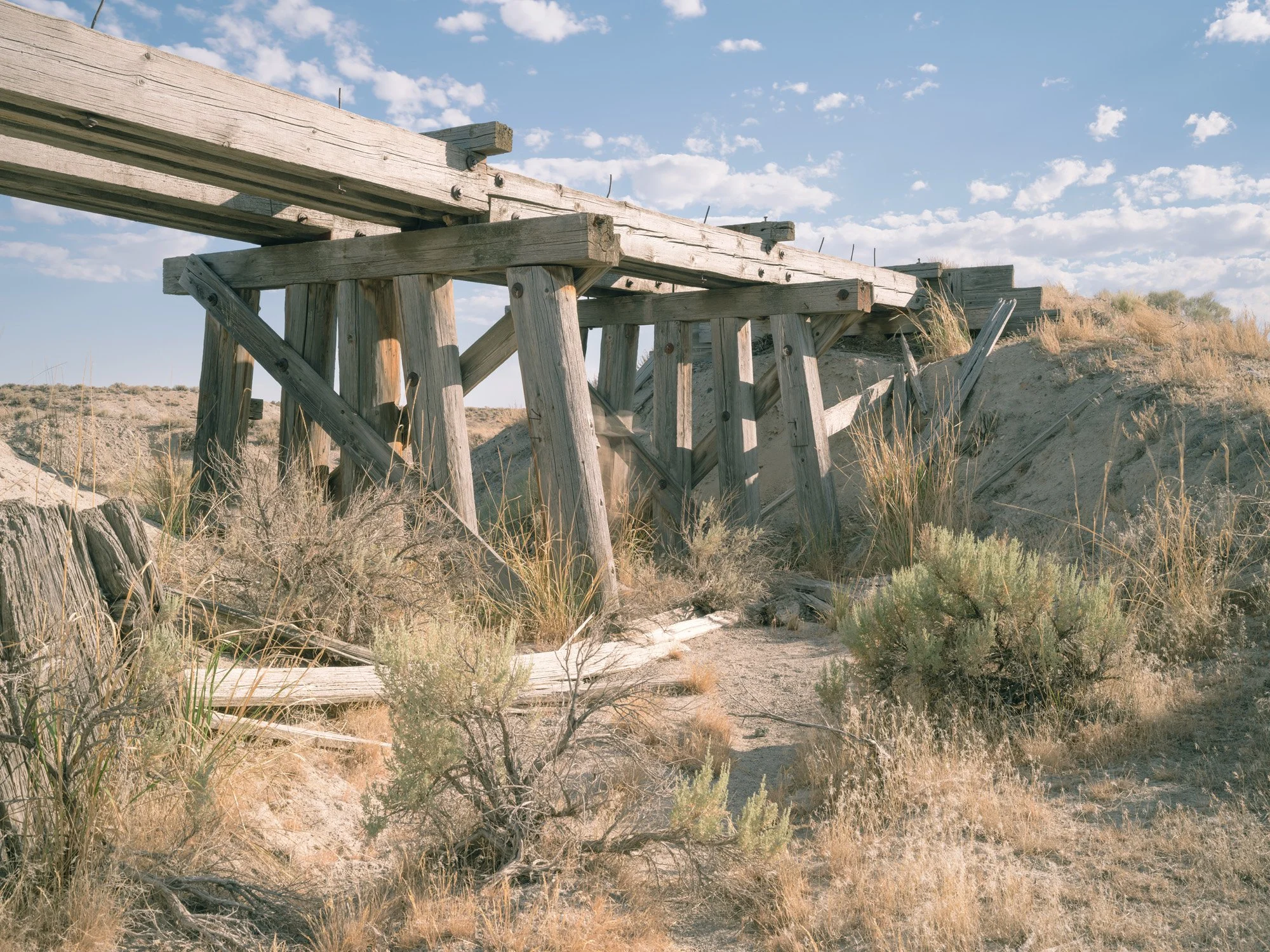
Terrace, Utah
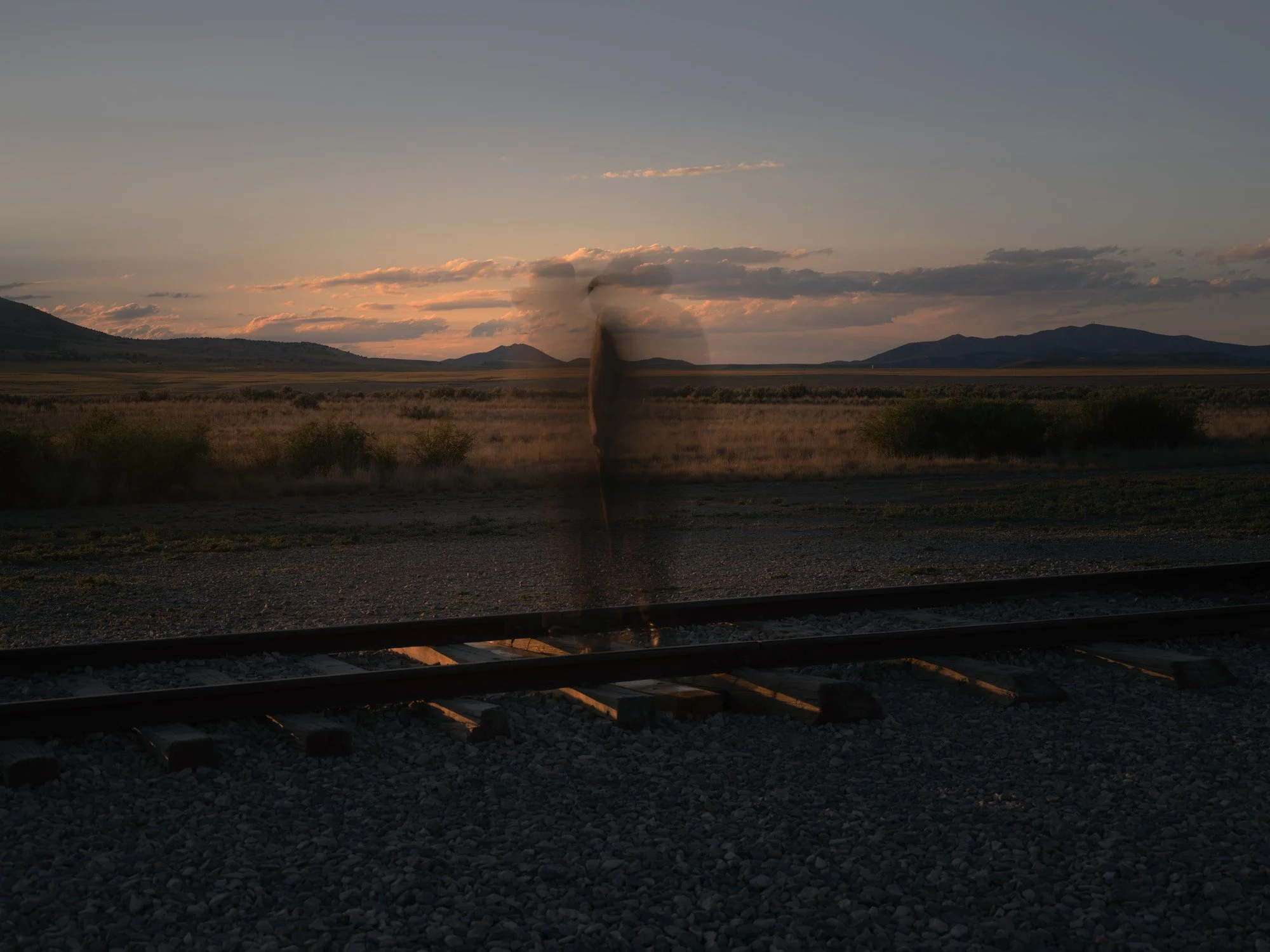
Promontory, Utah
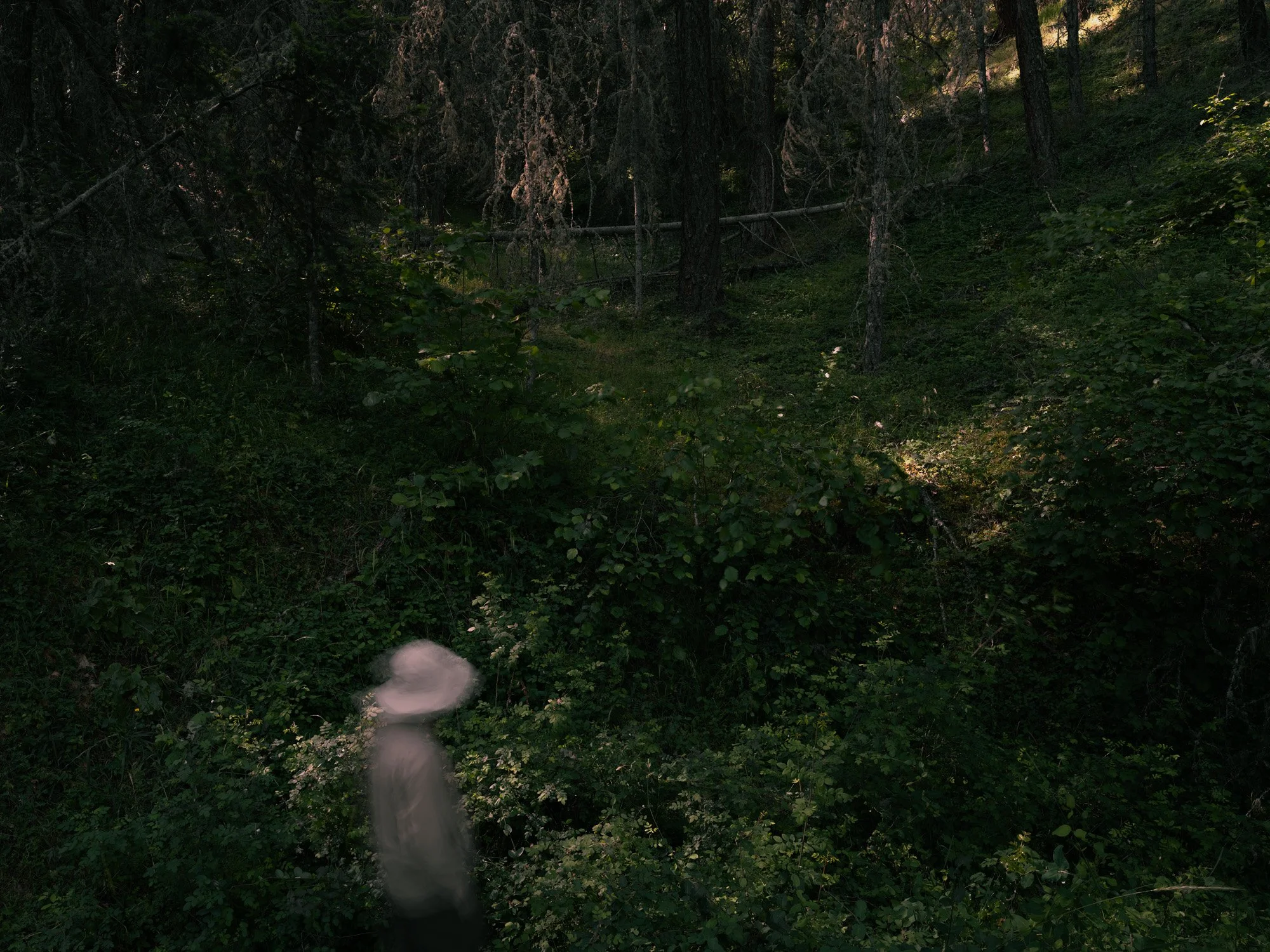
Jacksonville, Oregon
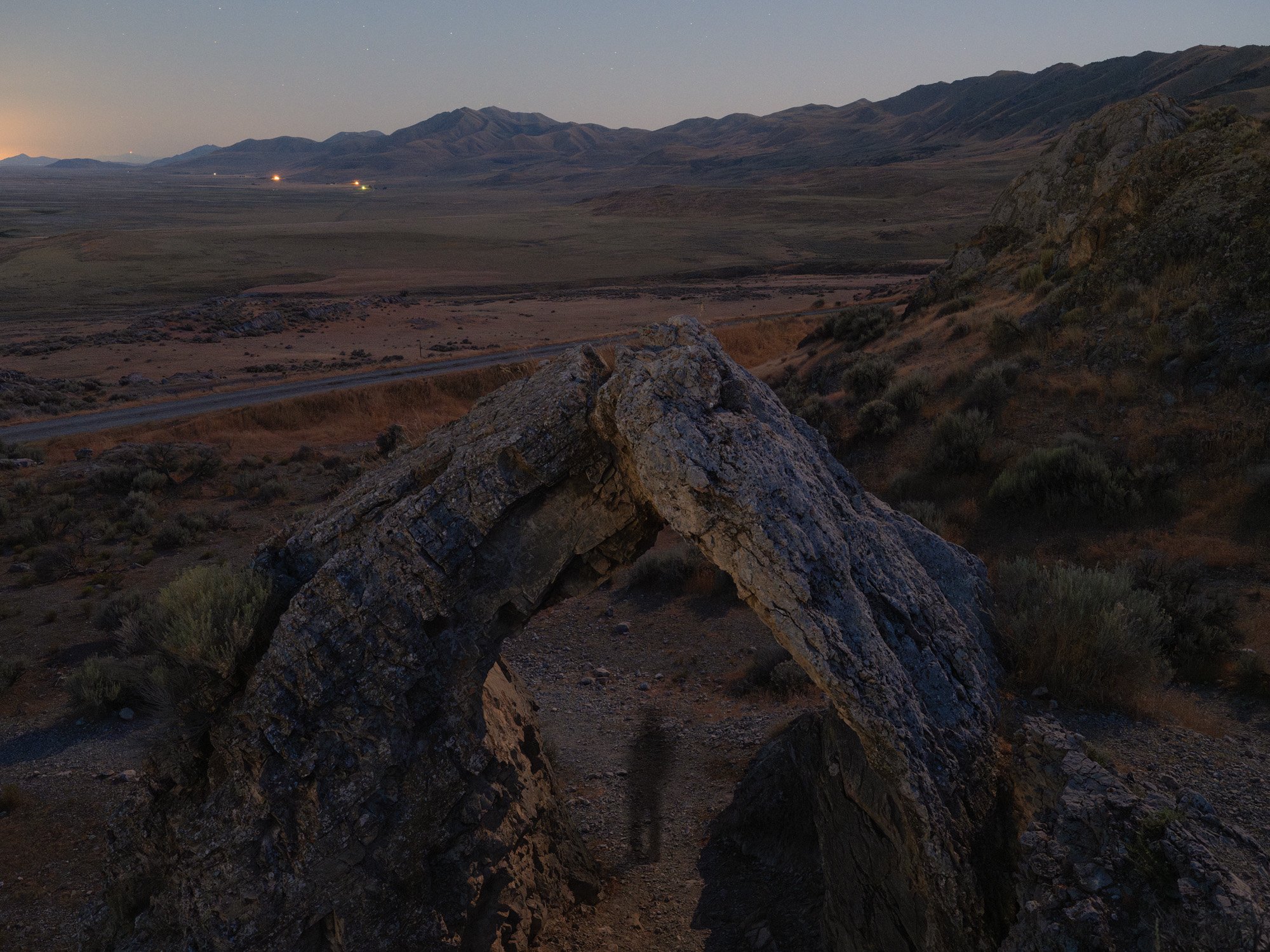
Chinese Arch, Utah
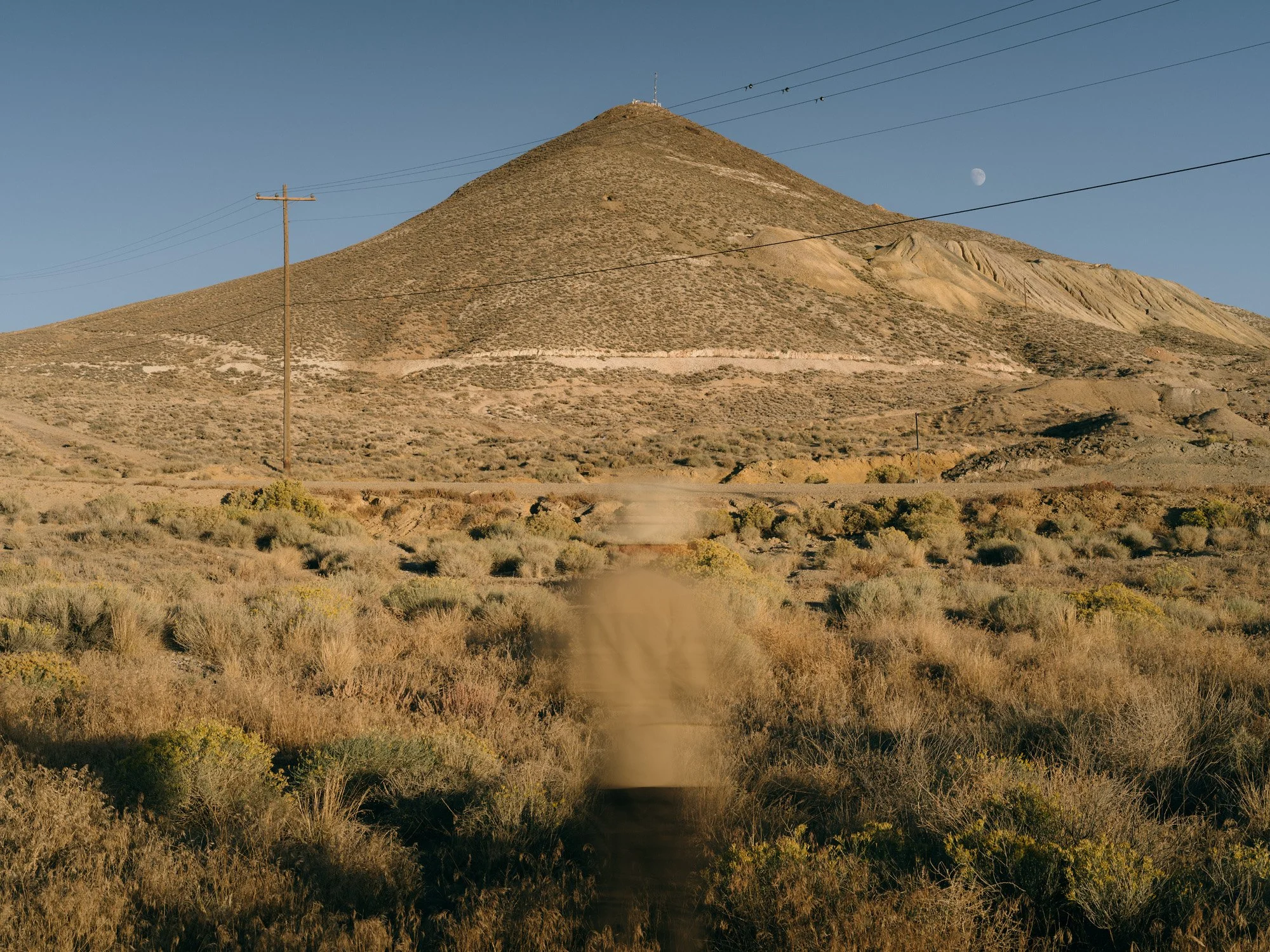
Tonopah, Nevada
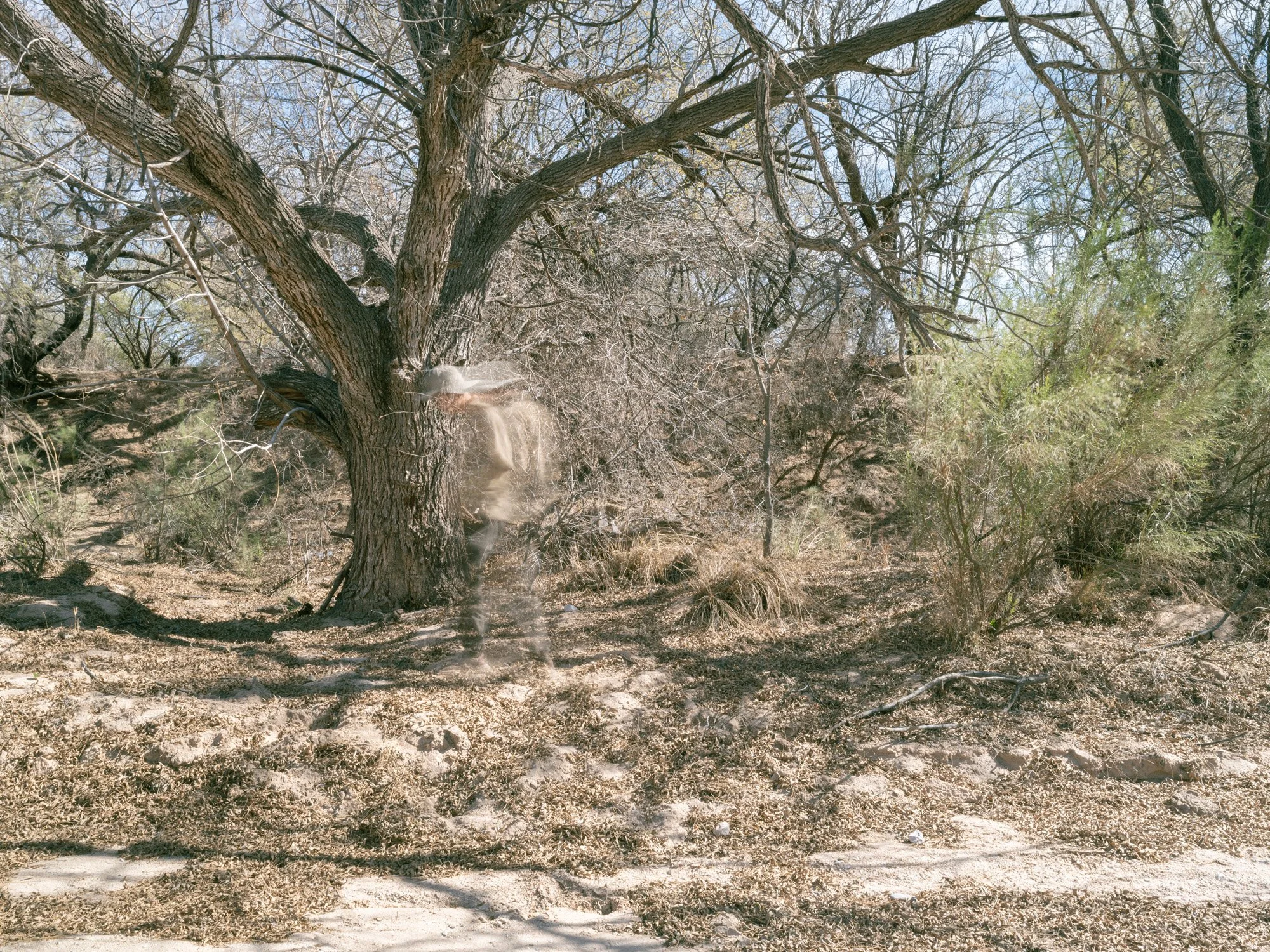
Ciénega Creek, Arizona
On May 10, 1869, the telegraph tapped out “−·· −−− −· ·” (DONE) to announce the completion of the First Transcontinental Railroad. In Andrew J. Russell’s defining photograph of the moment, the Chinese laborers who made up nearly 90% of the Sierra Nevada workforce are simply gone. Only two have ever been identified in the crowd by Stanford researchers: one turned away, the other hidden beneath a raised hat. Were they camera shy? Had they already left the ceremony for a celebratory dinner? Or were they deliberately excluded due to anti-Chinese sentiment?
I step into that silence. Traveling through the American West, I place my own body into the landscapes defined by their labor and the violence they endured: the rail lines, the irrigation networks, and the ruins of Chinatowns and mines. Through blurred self-portraits, I adopt the visual language of the ghost and insist that the land remains haunted by those who built it.